



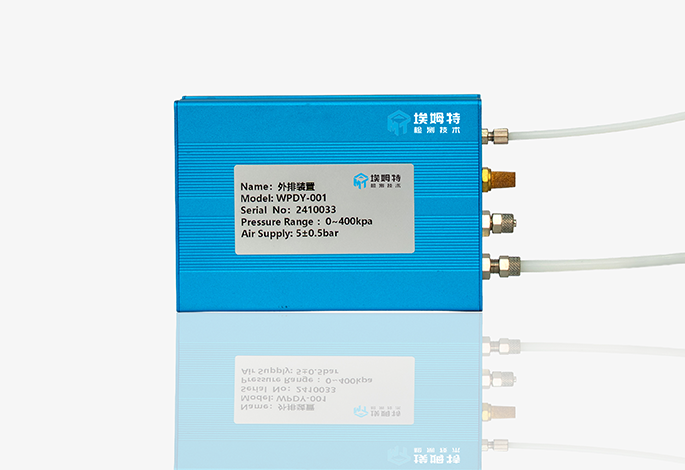
Switching Device
On a mass‑production test line, the test cycle time is often shorter than the test time of a single instrument, leaving the instrument idle while waiting, or requiring a separate tester for each station – which is costly and space‑consuming. The AMT Switching Device offers a better solution: one air tightness tester connected sequentially to multiple test stations via the switching device, and the instrument automatically performs the test tasks at each station in time‑shared mode, greatly reducing equipment procurement costs and production line floor space. The AMT Switching Device features a stand‑alone box design with a highly reliable pneumatic valve set and an intelligent control unit. By exchanging data with the equipment PLC, it automatically and rapidly switches the test air circuit between different stations, enabling “one instrument, multiple stations”.
Main parameters
Technical Specifications
| Parameter | Description |
|---|---|
| Number of stations | Standard 2 / 4 stations (customizable up to ≤8 stations) |
| Switching method | Pneumatic angle seat valve / diaphragm valve |
| Switching time | ≤0.2 seconds |
| Working pressure | -0.1 ~ 1.6 MPa |
| Leak rate (closed state) | ≤0.001 ml/min @ 1 MPa |
| Control interface | Digital I/O (NPN/PNP optional), RS485 (Modbus) |
| Power supply | DC24V / 0.5A |
| Enclosure material | Aluminum alloy + powder coating |
| Port size | Inlet: G1/4″ female thread; Outlet: G1/8″ or quick‑connect |
Technical Advantage
Key Advantages
Reduce instrument count, significant cost savings
One tester + switching device can cover 2–8 test stations (standard supports 2/4 stations, more can be customised). Instrument utilisation rate increases to over 80%, directly reducing equipment purchase costs.Stand‑alone box – plug & play
No modification to the existing tester is required. Simply connect the tester’s test port to the inlet of the switching device, and connect the station pipes to the corresponding outlet ports.PLC linkage – fully automatic control
The device has a built‑in communication module that can receive “station ready” signals from the PLC, automatically switch the test circuit to the designated station, and send back a “test complete” signal. No manual intervention – perfectly integrated into an automated production line.Fast switching, no cross‑talk
High‑performance pneumatic valve set with switching time <0.2 seconds. Each station’s air circuit is independent and completely sealed in the closed state, avoiding mutual interference between adjacent stations.Status indication, easy diagnostics
The front panel has status indicator lights for each station (ready / testing / complete), plus a communication status indicator, making on‑site troubleshooting convenient.
Typical Application Scenarios
| Scenario | Traditional Solution | AMT Switching Device Solution |
|---|---|---|
| Two‑station alternating test (e.g., left/right parts) | 2 testers | 1 tester + switching device |
| Four‑station cyclic test (long cycle time) | 4 testers | 1 tester + 4‑station switching device |
| Old line upgrade, need to add a station | Add a tester and tooling | Only add a switching device and piping |
Data Exchange with PLC
Input signals (switching device → PLC): Test status of each station, test complete, fault alarm.
Output signals (PLC → switching device): Station selection command, start test, emergency stop.
Communication protocols: Point‑to‑point I/O, Modbus RTU, Profibus (optional).
Selection Guide
2‑station alternating: Suitable for left/right symmetrical parts, or when test time > clamping time at a single station.
4‑station cyclic: Suitable for long test cycles (e.g., large‑volume products requiring long hold times), or when multiple tests need to be performed simultaneously.
Customisation: For more than 8 stations or special explosion‑proof requirements, please contact us for a custom solution.
One instrument, guarding multiple stations.
AMT Switching Device – makes your test system more economical, more efficient, and smarter.
Application Field

Automotive Industry

Consumer Electronics & Security Electronics
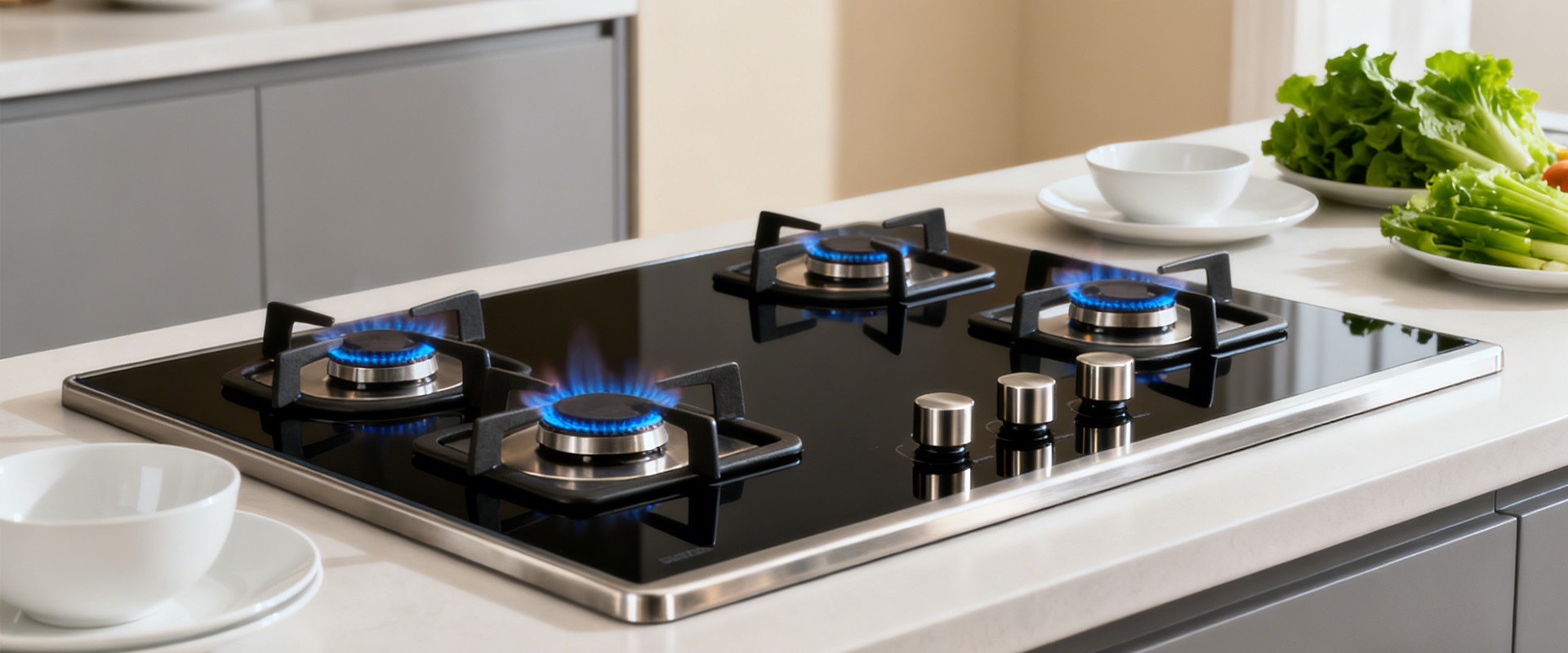
Home Appliances & Gas Appliances